
20 Essential Laboratory Equipment: Names, Uses & Functions
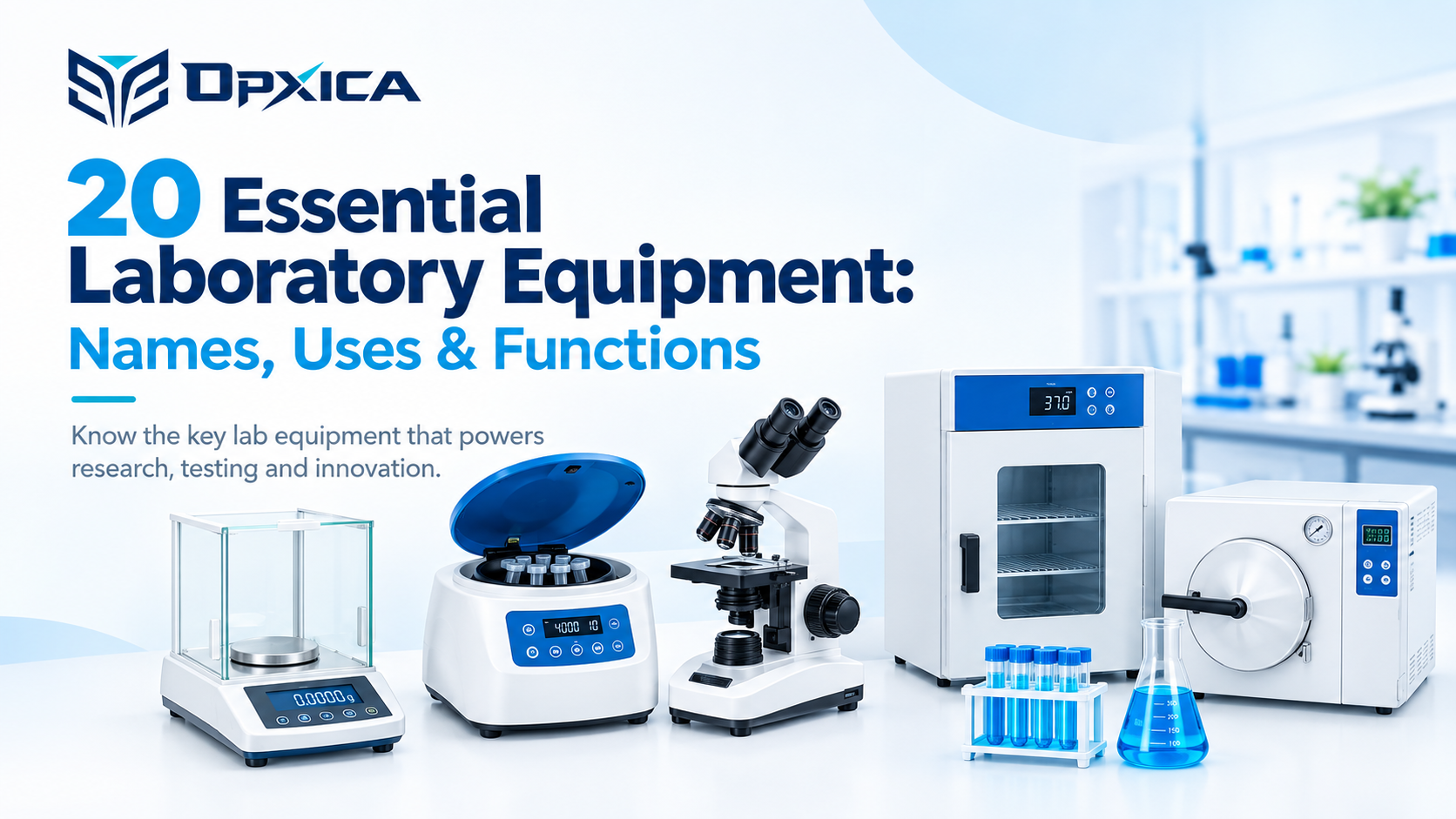
Every laboratory, whether it belongs to a school, a pharmaceutical company, a hospital, or a research institute, depends on a specific set of tools to get accurate and repeatable results. This collection of tools is what we call laboratory equipment: the instruments, apparatus, and glassware that allow scientists and technicians to measure, mix, heat, cool, observe, and analyze samples with confidence.
Laboratory equipment matters because science is only as reliable as the tools used to conduct it. A slightly inaccurate balance can throw off an entire experiment. A poorly maintained autoclave can compromise sterility. A cheap microscope can make it impossible to spot the cellular detail a diagnosis depends on. This is why laboratories, from a university biology lab to a quality control unit in a manufacturing plant, invest carefully in the right equipment for their specific needs.
Different pieces of equipment support different stages of laboratory work. Some are used for sample preparation, others for measurement, some for heating or cooling, and others purely for observation or storage. Understanding what each item does, and where it fits into a typical workflow, helps students learn faster, helps lab managers make better purchasing decisions, and helps businesses avoid costly downtime from equipment mismatched to their needs.
This guide walks through 20 essential laboratory equipment items, explaining what each one is, how it is used, what it actually does, where it is applied, and what to look for when selecting one.
1. Microscope
What Is It? A microscope is an optical instrument that magnifies objects too small to see with the naked eye, such as cells, bacteria, and tissue samples.

Main Uses: Microscopes are used to examine biological specimens, identify microorganisms, study cell structures, and inspect materials at a microscopic level.
Functions: The instrument uses a combination of lenses to bend and focus light (or, in electron microscopes, electron beams) onto a specimen, producing a magnified image that can be viewed directly or captured digitally.
Common Applications: Microbiology labs, pathology departments, biotechnology research, educational institutions, and quality inspection in manufacturing.
Key Features to Consider: Magnification range, lens quality, type (compound, stereo, digital, or electron), illumination system, and whether the unit supports image capture for documentation.
2. Centrifuge
What Is It? A centrifuge is a machine that spins samples at high speed to separate components of different densities.
Main Uses: It is used to separate blood components, isolate DNA or proteins, clarify suspensions, and prepare samples for further testing.
Functions: By spinning tubes at controlled speeds, the centrifuge generates centrifugal force that pushes denser particles to the bottom of the tube while lighter components remain near the top, allowing clean separation.
Common Applications: Clinical diagnostics, hematology, biochemistry, molecular biology, and pharmaceutical quality control.
Key Features to Consider: Maximum speed (RPM or RCF), rotor capacity, temperature control (refrigerated vs. non-refrigerated), noise level, and safety interlocks.
3. Laboratory Hot Air Oven
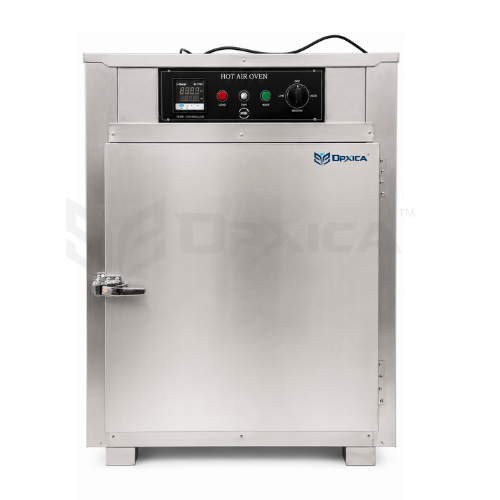
What Is It? A hot air oven is a heating device that uses dry heat to sterilize glassware and dehydrate or dry laboratory materials.
Main Uses: It is primarily used for sterilizing heat-resistant instruments and glassware, and for drying samples before weighing or analysis.
Functions: The oven circulates hot air uniformly through an insulated chamber, maintaining a set temperature for a defined period to kill microorganisms or remove moisture.
Common Applications: Microbiology labs, pharmaceutical manufacturing, sterile packaging preparation, and moisture content testing in quality control.
Key Features to Consider: Temperature range and uniformity, chamber capacity, digital control accuracy, insulation quality, and safety cut-offs for overheating.
4. Autoclave

What Is It? An autoclave is a pressure chamber that uses steam under pressure to sterilize equipment, media, and waste.
Main Uses: It sterilizes surgical instruments, culture media, glassware, and laboratory waste that needs to be rendered biologically safe before disposal.
Functions: Steam at high pressure raises the temperature well above boiling point, destroying bacteria, viruses, fungi, and spores far more effectively than dry heat or boiling water alone.
Common Applications: Hospitals, microbiology and biotechnology laboratories, pharmaceutical production, and research facilities handling biohazardous material.
Key Features to Consider: Chamber size, pressure and temperature range, cycle time, safety valves, and whether it supports different sterilization cycles for liquids, instruments, or waste.
5. Laboratory Incubator
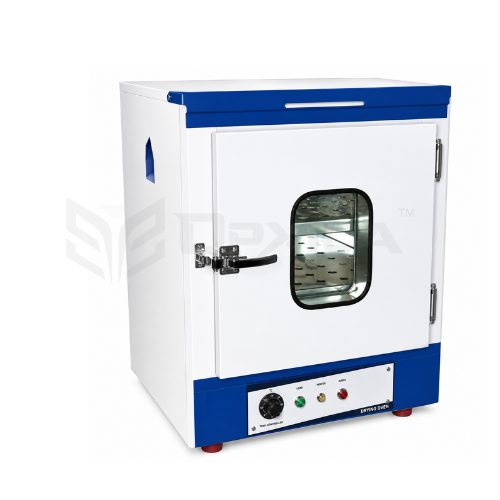
What Is It? An incubator is a chamber that maintains a stable, controlled environment, usually a specific temperature and humidity, to support the growth of cultures or biological samples.
Main Uses: It is used to grow bacterial and fungal cultures, incubate cell lines, and carry out enzyme or fermentation reactions that require constant conditions.
Functions: The unit regulates internal temperature (and sometimes CO2 levels and humidity) precisely, providing an environment where microorganisms or cells can grow and multiply consistently.
Common Applications: Microbiology, molecular biology, food testing labs, pharmaceutical research, and educational biology labs.
Key Features to Consider: Temperature range and stability, interior capacity, CO2 and humidity control (for specialized incubators), and alarm systems for temperature deviation.
6. Analytical Balance

What Is It? An analytical balance is a highly precise weighing instrument used to measure very small masses accurately.
Main Uses: It is used for weighing chemicals, reagents, and samples where even a slight error in mass can affect the outcome of an experiment or formulation.
Functions: The balance uses an internal electromagnetic force restoration mechanism to detect minute weight differences, typically displaying results to four or five decimal places.
Common Applications: Pharmaceutical formulation, chemical analysis, quality control, academic research, and any process requiring exact reagent quantities.
Key Features to Consider: Readability (0.1 mg or 0.01 mg), capacity, draft shield design, calibration method (internal or external), and vibration resistance.
7. pH Meter
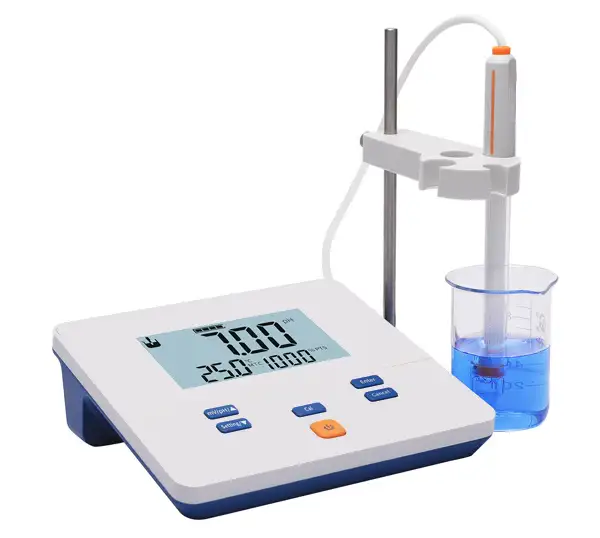
What Is It? A pH meter is an electronic instrument that measures the acidity or alkalinity of a solution.
Main Uses: It is used to check the pH of solutions, buffers, water samples, soil extracts, and biological fluids.
Functions: A glass electrode measures the hydrogen ion activity in a solution and converts it into a voltage signal, which the meter translates into a pH reading on a digital display.
Common Applications: Chemical analysis, environmental testing, food and beverage quality control, pharmaceutical formulation, and agricultural soil testing.
Key Features to Consider: Measurement accuracy, calibration options (single or multi-point), electrode type, temperature compensation, and display readability.
8. Spectrophotometer

What Is It? A spectrophotometer measures the amount of light a sample absorbs or transmits at specific wavelengths, which helps determine the concentration of substances in a solution.
Main Uses: It is used to quantify concentrations of compounds, assess purity, and monitor reactions in real time based on color or absorbance changes.
Functions: Light of a chosen wavelength passes through the sample, and the instrument measures how much light is absorbed. This absorbance value is then used, often with a calibration curve, to calculate concentration.
Common Applications: Biochemistry, clinical diagnostics, environmental testing, pharmaceutical quality control, and food science.
Key Features to Consider: Wavelength range, accuracy, cuvette compatibility, single-beam vs. double-beam design, and software or data export capability.
9. Water Bath
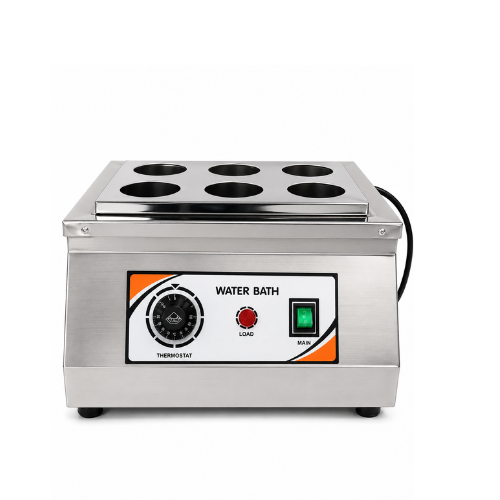
What Is It? A water bath is a container filled with heated water used to maintain samples at a constant, gentle temperature.
Main Uses: It is used for incubating samples, thawing frozen specimens, warming reagents, and carrying out reactions that require steady, moderate heat.
Functions: An internal heating element and thermostat keep water at a set temperature, providing indirect and even heat transfer to sample containers placed inside.
Common Applications: Microbiology, clinical laboratories, molecular biology (enzyme reactions), food testing, and educational labs.
Key Features to Consider: Temperature range and accuracy, tank capacity, digital or analog control, lid design to reduce evaporation, and material corrosion resistance.
10. Magnetic Stirrer
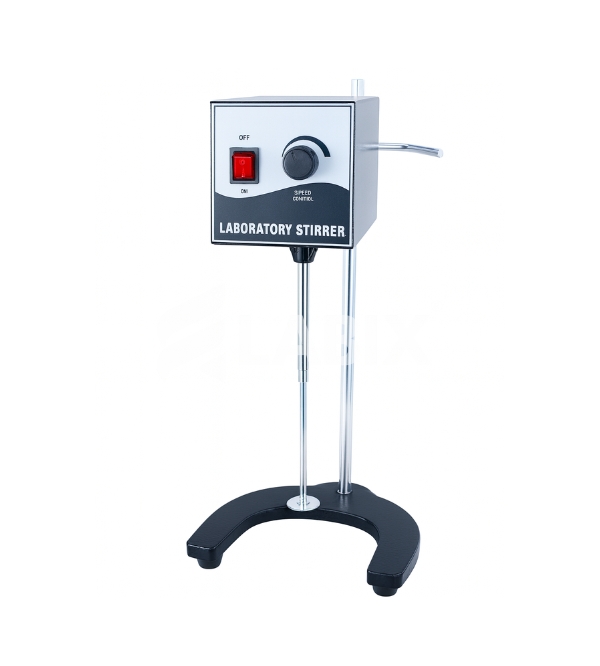
What Is It? A magnetic stirrer is a device that uses a rotating magnetic field to spin a small stir bar inside a liquid, mixing it without physical agitation from outside.
Main Uses: It is used to mix solutions, dissolve powders, and maintain homogeneous mixtures during reactions, often paired with a hot plate for heated stirring.
Functions: A rotating magnet beneath the platform drives a magnetic stir bar placed inside the sample container, creating consistent circular mixing without introducing contamination from external mixing tools.
Common Applications: Chemistry labs, pharmaceutical formulation, biochemistry, and quality control testing.
Key Features to Consider: Stirring speed range, heating capability (if combined), platform size, stir bar compatibility, and stability of speed under load.
11. Laboratory Shaker
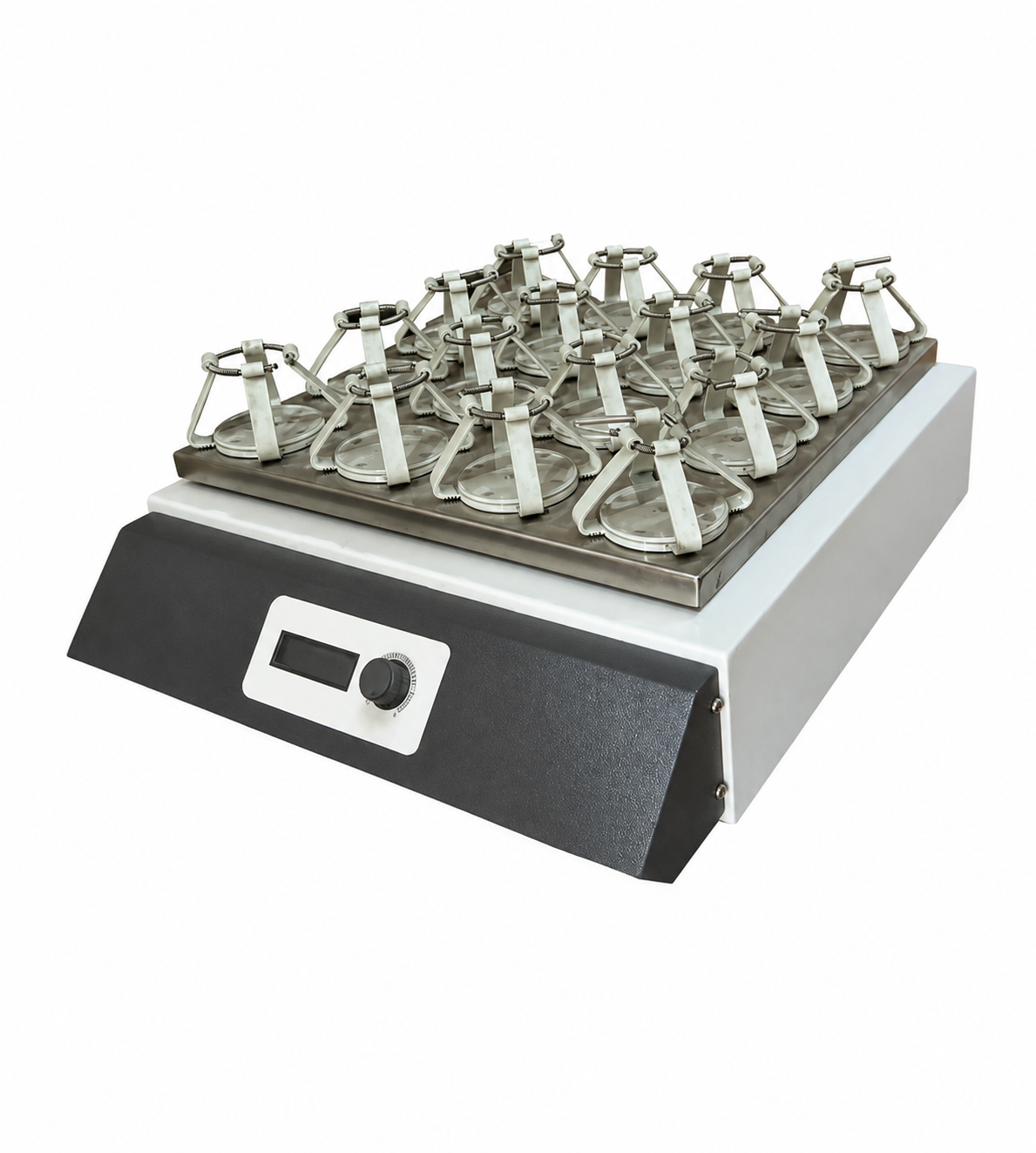
What Is It? A laboratory shaker is an instrument that agitates samples, usually flasks or tubes, in a controlled, repetitive motion.
Main Uses: It is used for mixing, cell culture aeration, dissolution testing, and promoting reactions that need continuous, gentle movement rather than vigorous stirring.
Functions: The device moves a platform in orbital, reciprocating, or rocking motion at adjustable speeds, keeping samples evenly mixed or aerated over extended periods.
Common Applications: Microbiology (culture growth), biotechnology, pharmaceutical dissolution testing, and environmental sample processing.
Key Features to Consider: Motion type (orbital, linear, or rocking), speed range, platform load capacity, timer function, and compatibility with incubated shaking (temperature-controlled shakers).
12. Bunsen Burner

What Is It? A Bunsen burner is a simple device that produces a controlled, open flame using a gas fuel source.
Main Uses: It is used for heating substances, sterilizing inoculation loops, and creating a sterile working zone in microbiology by burning off contaminants in the surrounding air.
Functions: Gas mixes with air at an adjustable ratio before ignition, allowing the user to control flame temperature and type, from a soft yellow flame to a hot blue flame suited for sterilization.
Common Applications: Microbiology, general chemistry labs, and educational settings.
Key Features to Consider: Flame stability, safety valve, base stability, and compatibility with the lab’s gas supply type.
13. Test Tube
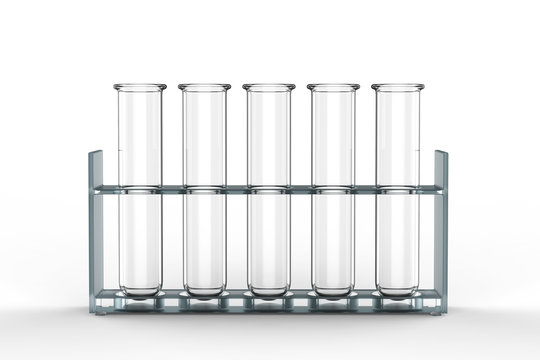
What Is It? A test tube is a simple cylindrical glass or plastic container used to hold, mix, or heat small quantities of liquid or solid samples.
Main Uses: It is used for small-scale reactions, sample storage, observation of reactions, and culturing microorganisms in liquid or semi-solid media.
Functions: Its narrow, elongated shape allows safe handling of small volumes, easy heating over a flame, and simple observation of color changes, precipitates, or reactions.
Common Applications: Chemistry, microbiology, clinical sample collection, and educational demonstrations.
Key Features to Consider: Material (borosilicate glass vs. plastic), heat resistance, size and volume, and whether it is reusable or disposable.
14. Beaker

What Is It? A beaker is a cylindrical container with a flat bottom and a small pouring spout, used for holding, mixing, and heating liquids.
Main Uses: It is used for general mixing, dissolving substances, heating liquids, and rough volume measurement.
Functions: Its wide opening allows easy addition of substances and stirring, while graduated markings on the side give an approximate reading of liquid volume.
Common Applications: Chemistry, biology, pharmaceutical preparation, and educational laboratories.
Key Features to Consider: Material (borosilicate glass for heat resistance, or plastic for specific chemical compatibility), volume capacity, graduation accuracy, and spout design for controlled pouring.
15. Conical Flask
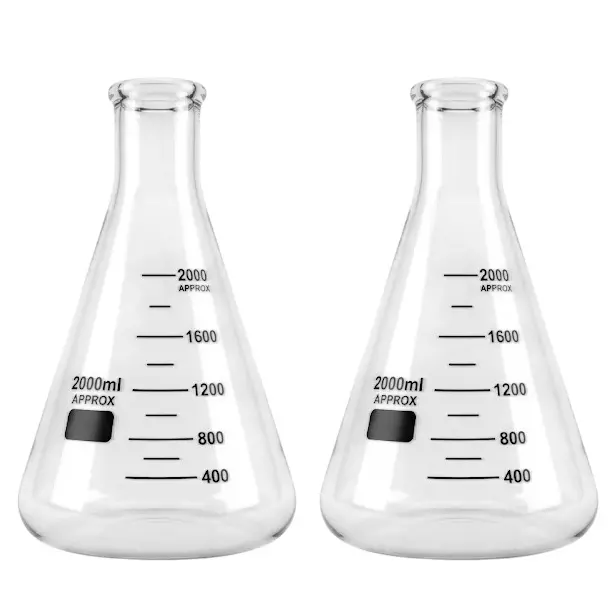
What Is It? Also known as an Erlenmeyer flask, a conical flask has a flat bottom, a cone-shaped body, and a narrow neck.
Main Uses: It is used for mixing, titrations, culturing microorganisms, and heating liquids where evaporation needs to be minimized.
Functions: The narrow neck reduces evaporation and spillage while swirling, and the conical shape allows gentle mixing by hand without splashing, which is particularly useful in titration work.
Common Applications: Analytical chemistry (titrations), microbiology (culture flasks), and pharmaceutical formulation.
Key Features to Consider: Material and heat resistance, volume capacity, neck width, and graduation markings for approximate measurement.
16. Measuring Cylinder
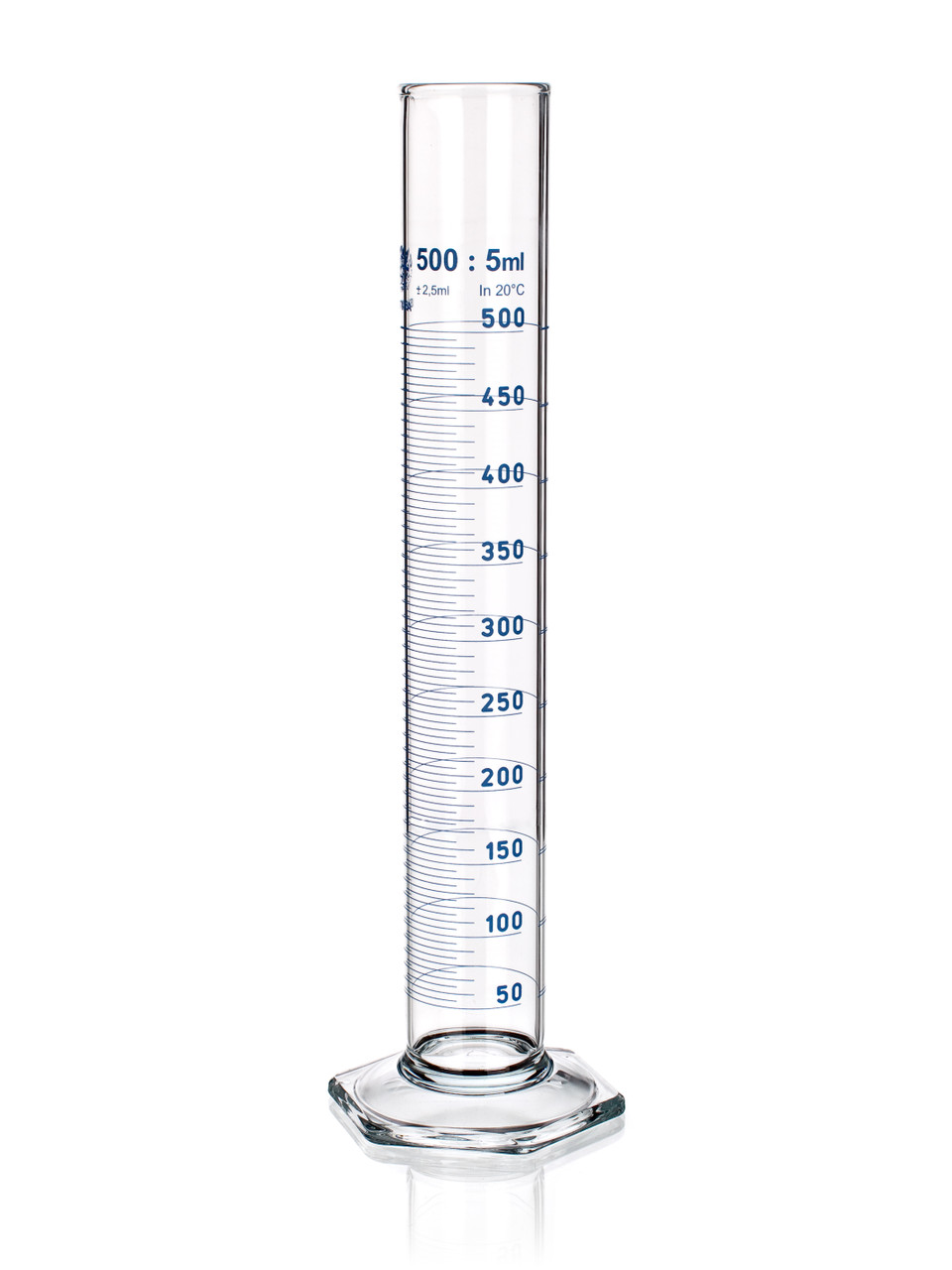
What Is It? A measuring cylinder, or graduated cylinder, is a narrow, tall container used to measure the precise volume of liquids.
Main Uses: It is used whenever a more accurate liquid volume measurement is needed than a beaker or flask can provide.
Functions: Its narrow diameter and finely spaced graduation marks allow for a more precise reading of liquid volume, based on the position of the liquid’s meniscus.
Common Applications: Chemistry, pharmaceutical dosing, quality control, and educational experiments.
Key Features to Consider: Volume range, graduation accuracy, material (glass or plastic), and base stability.
17. Pipette
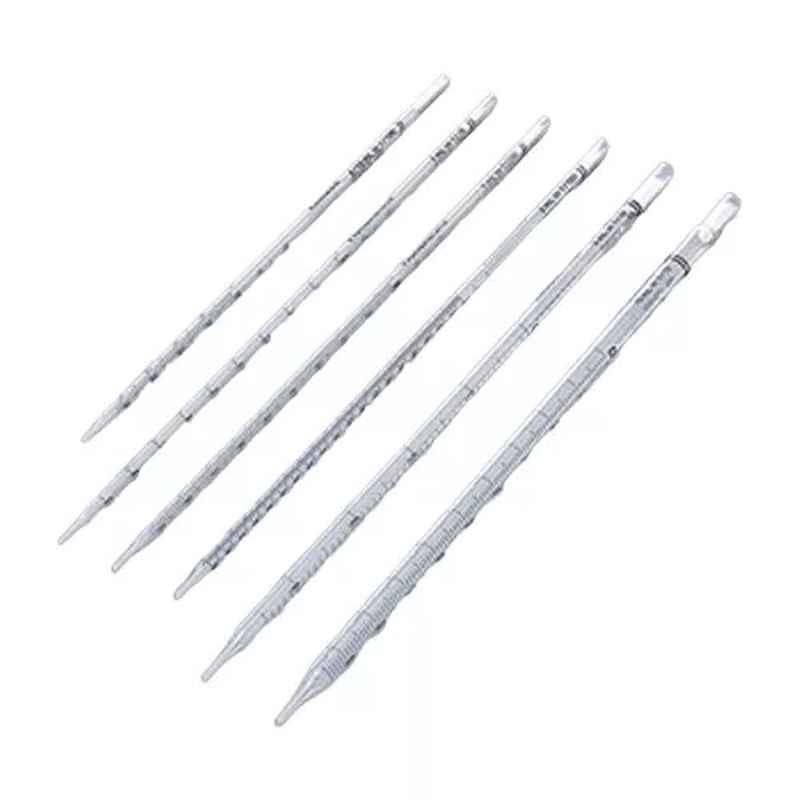
What Is It? A pipette is an instrument used to transfer and measure small, precise volumes of liquid.
Main Uses: It is used for accurately transferring reagents, samples, or solutions during experiments, dilutions, and titrations.
Functions: Depending on the type (manual, micropipette, or volumetric), the device draws liquid into a tube or tip using suction or a mechanical piston, then dispenses an exact, pre-set or measured volume.
Common Applications: Molecular biology, clinical diagnostics, pharmaceutical research, and analytical chemistry.
Key Features to Consider: Volume range and precision, single-channel vs. multi-channel design, tip compatibility, and ease of calibration.
18. Laboratory
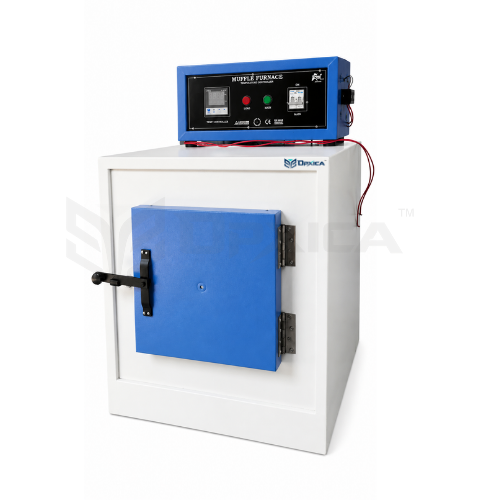
What Is It? A laboratory furnace, often called a muffle furnace, is a high-temperature heating chamber used for processes that require extreme heat, well beyond what an oven can provide.
Main Uses: It is used for ashing samples, heat-treating materials, sintering, and conducting high-temperature chemical reactions.
Functions: Heating elements inside an insulated chamber raise the internal temperature to several hundred or even over a thousand degrees Celsius, with digital controllers maintaining precise temperature profiles.
Common Applications: Materials science, metallurgy, ceramics testing, environmental ash content analysis, and industrial quality control.
Key Features to Consider: Maximum operating temperature, chamber size, insulation quality, ramp and soak programming, and safety features for high-heat operation.
19. Fume Hood
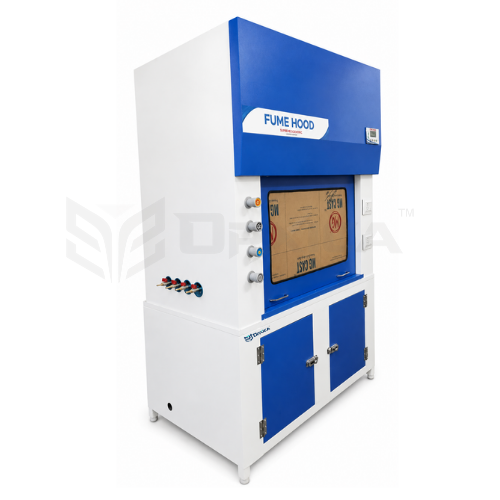
What Is It? A fume hood, or fume cupboard, is a ventilated enclosure designed to protect laboratory personnel from exposure to hazardous fumes, vapors, and dust.
Main Uses: It is used whenever handling volatile chemicals, performing reactions that release toxic gases, or working with substances that require controlled ventilation.
Functions: An extraction fan draws air, along with any airborne contaminants, away from the working area and out through a filtration or exhaust system, maintaining a safe breathing zone for the operator.
Common Applications: Chemistry labs, pharmaceutical manufacturing, toxicology testing, and any facility handling hazardous or volatile substances.
Key Features to Consider: Airflow rate, sash design, filtration type (ducted or filtered/ductless), noise level, and compliance with relevant safety standards.
20. Laboratory Refrigerator
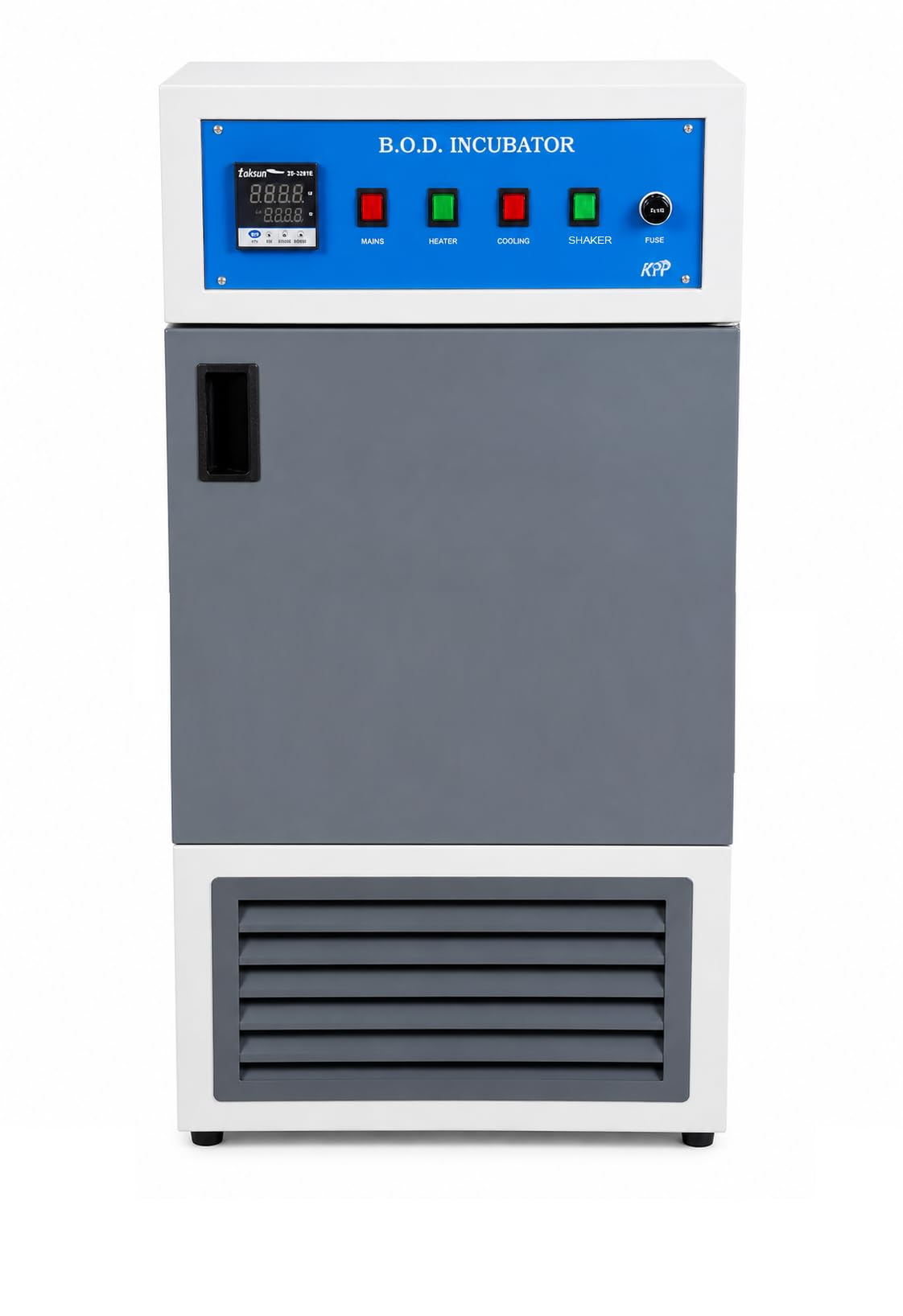
What Is It? A laboratory refrigerator is a temperature-controlled storage unit designed specifically for storing samples, reagents, and biological materials at low temperatures.
Main Uses: It is used to store vaccines, reagents, blood samples, culture media, and temperature-sensitive chemicals that would degrade at room temperature.
Functions: Unlike a domestic refrigerator, it maintains a consistent, monitored temperature throughout the storage compartment, often with alarm systems that alert staff to temperature fluctuations that could compromise stored materials.
Common Applications: Hospitals, blood banks, pharmaceutical storage, vaccine storage, and research laboratories.
Key Features to Consider: Temperature range and stability, alarm and monitoring systems, interior capacity and shelving, glass vs. solid doors, and backup power compatibility.
Comparison Table: Laboratory Equipment at a Glance
| Laboratory Equipment | Main Purpose | Common Application | Key Function |
|---|---|---|---|
| Microscope | Magnify small specimens | Microbiology, pathology | Focuses light/electrons for viewing |
| Centrifuge | Separate mixture components | Clinical diagnostics, biochemistry | Spins samples at high speed |
| Hot Air Oven | Dry-heat sterilization and drying | Microbiology, pharma | Circulates hot air in a chamber |
| Autoclave | Steam sterilization | Hospitals, microbiology | Uses pressurized steam heat |
| Incubator | Maintain growth conditions | Microbiology, cell culture | Controls temperature and humidity |
| Analytical Balance | Precise mass measurement | Pharma, chemistry | Detects minute weight changes |
| pH Meter | Measure acidity/alkalinity | Chemistry, environmental testing | Converts ion activity to pH value |
| Spectrophotometer | Measure light absorbance | Biochemistry, quality control | Calculates concentration from absorbance |
| Water Bath | Maintain constant liquid temperature | Microbiology, clinical labs | Heats water to a set temperature |
| Magnetic Stirrer | Mix liquids | Chemistry, pharma | Rotates a magnetic stir bar |
| Laboratory Shaker | Agitate samples | Microbiology, biotech | Moves platform in controlled motion |
| Bunsen Burner | Provide controlled flame | Microbiology, chemistry | Burns gas at adjustable ratio |
| Test Tube | Hold small samples | Chemistry, microbiology | Contains and allows heating of liquids |
| Beaker | General mixing and heating | Chemistry, biology | Holds and approximates liquid volume |
| Conical Flask | Mixing with reduced spillage | Titrations, culturing | Narrow neck limits evaporation |
| Measuring Cylinder | Precise volume measurement | Chemistry, pharma | Graduated markings for accuracy |
| Pipette | Transfer precise volumes | Molecular biology, diagnostics | Draws and dispenses exact liquid amounts |
| Laboratory Furnace | High-temperature processing | Materials science, metallurgy | Heats chamber to extreme temperatures |
| Fume Hood | Ventilate hazardous fumes | Chemistry, toxicology | Extracts contaminated air |
| Laboratory Refrigerator | Cold storage of samples | Hospitals, pharma | Maintains monitored low temperature |
How to Choose Laboratory Equipment
Selecting the right laboratory equipment is not just about price. A wrong choice can lead to inaccurate results, safety risks, or frequent breakdowns. Consider the following factors before buying:
- Intended application: Match the equipment to the specific tests or processes it will support, rather than buying general-purpose models for specialized work.
- Accuracy and precision: For instruments like balances, pH meters, and spectrophotometers, check the stated accuracy and repeatability against your testing requirements.
- Capacity: Choose equipment sized for your typical sample volume and workload, whether that means chamber size, tube capacity, or throughput per cycle.
- Operating range: Confirm the temperature, speed, or measurement range covers both your routine and edge-case requirements.
- Material and build quality: Corrosion-resistant materials and quality glass or stainless steel components extend equipment life, especially in labs handling reactive chemicals.
- Safety features: Look for overheat protection, pressure release valves, alarm systems, and compliance with relevant safety standards.
- Ease of operation: Intuitive controls and clear displays reduce training time and the risk of operator error.
- Maintenance requirements: Understand what routine maintenance the equipment needs and whether your staff can handle it in-house.
- Calibration requirements: Instruments like balances and pH meters need regular calibration; check how easily this can be done and whether calibration services are available locally.
- Warranty and after-sales support: A solid warranty and responsive technical support reduce downtime risk significantly.
- Availability of spare parts: Equipment with readily available spare parts avoids long waiting periods during repairs.
- Manufacturer reputation: Established manufacturers with a track record in laboratory equipment tend to offer more reliable products and better long-term support.
Frequently Asked Questions
What are the most common laboratory equipment?
The most common laboratory equipment includes microscopes, centrifuges, analytical balances, pH meters, autoclaves, incubators, water baths, and basic glassware such as beakers, flasks, and test tubes. These form the core toolkit in most chemistry, biology, and clinical labs.
What laboratory equipment is used for heating?
Hot air ovens, water baths, Bunsen burners, laboratory furnaces, and autoclaves are all used for heating, though each serves a different purpose, from gentle warming to high-temperature sterilization.
What equipment is used to measure pH?
A pH meter is the standard equipment for measuring the acidity or alkalinity of a solution, using an electrode that detects hydrogen ion activity.
What equipment is used for separating samples?
A centrifuge is the primary equipment used to separate components of a mixture based on density, by spinning samples at high speed.
What is the difference between laboratory equipment and laboratory instruments?
Laboratory equipment is a broad term covering all tools used in a lab, including simple items like beakers and test tubes. Laboratory instruments refer specifically to devices that measure, analyze, or generate data, such as pH meters, spectrophotometers, and analytical balances.
How do I choose the right laboratory equipment?
Choose equipment based on your specific application, required accuracy, capacity, safety features, ease of maintenance, and the manufacturer’s reliability and support. Avoid buying based on price alone.
Which laboratory equipment is commonly used in research laboratories?
Research laboratories typically rely on microscopes, centrifuges, spectrophotometers, incubators, analytical balances, pipettes, and various glassware, depending on the specific field of research.
How often should laboratory equipment be calibrated?
Calibration frequency depends on the instrument and its usage intensity, but instruments like analytical balances and pH meters are commonly calibrated at set intervals ranging from daily checks to quarterly or annual professional calibration, based on manufacturer guidelines and internal quality protocols.
Wraping Notes
Understanding what each piece of laboratory equipment does, and why it is used in a particular way, makes a real difference in how efficiently and reliably a lab operates. From basic glassware to precision instruments like analytical balances and spectrophotometers, every item plays a specific role in supporting accurate testing, research, and quality control.
Whether you are a student learning the basics, a lab manager planning procurement, or a business setting up a new testing facility, knowing the function and selection criteria for each equipment type helps you make informed decisions. Companies like OPXICA Industries, which manufacture and supply laboratory equipment and microscopes, are part of the wider ecosystem that helps laboratories, educational institutions, and healthcare facilities access reliable tools for their day-to-day scientific work. Choosing equipment thoughtfully, and maintaining it properly, ultimately supports better science and more trustworthy results.
